Finding the Right Scissor Lift Supplier in Singapore for Your Business
 By unipac 0 Comments
Efficient material handling is essential for businesses operating warehouses, factories, manufacturing facilities and commercial buildings. Moving heavy goods, machinery and industrial materials between different working heights can be challenging without the right equipment. A reliable lifting system helps businesses manage these activities more efficiently while supporting organised workplace operations.
Choosing the right scissor lift supplier in singapore is an important step for companies looking for dependable industrial lifting equipment. Scissor lifts are designed to raise and lower heavy materials using a mechanical support system, making them suitable for applications that require controlled vertical movement. They are commonly used in warehouses, production facilities, workshops and commercial environments.
Unipac Equipment Pte Ltd specialises in manufacturing scissor lifts, hydraulic platform lifts and other material-handling equipment. With more than 20 years of experience, the company provides standard and customised lifting solutions designed to accommodate different industrial requirements.
Whether you need a compact lifting table, a heavy-duty hydraulic platform or a customised lifting arrangement, understanding the available equipment options can help you select a suitable solution for your business.
What Is a Scissor Lift and How Does It Work?
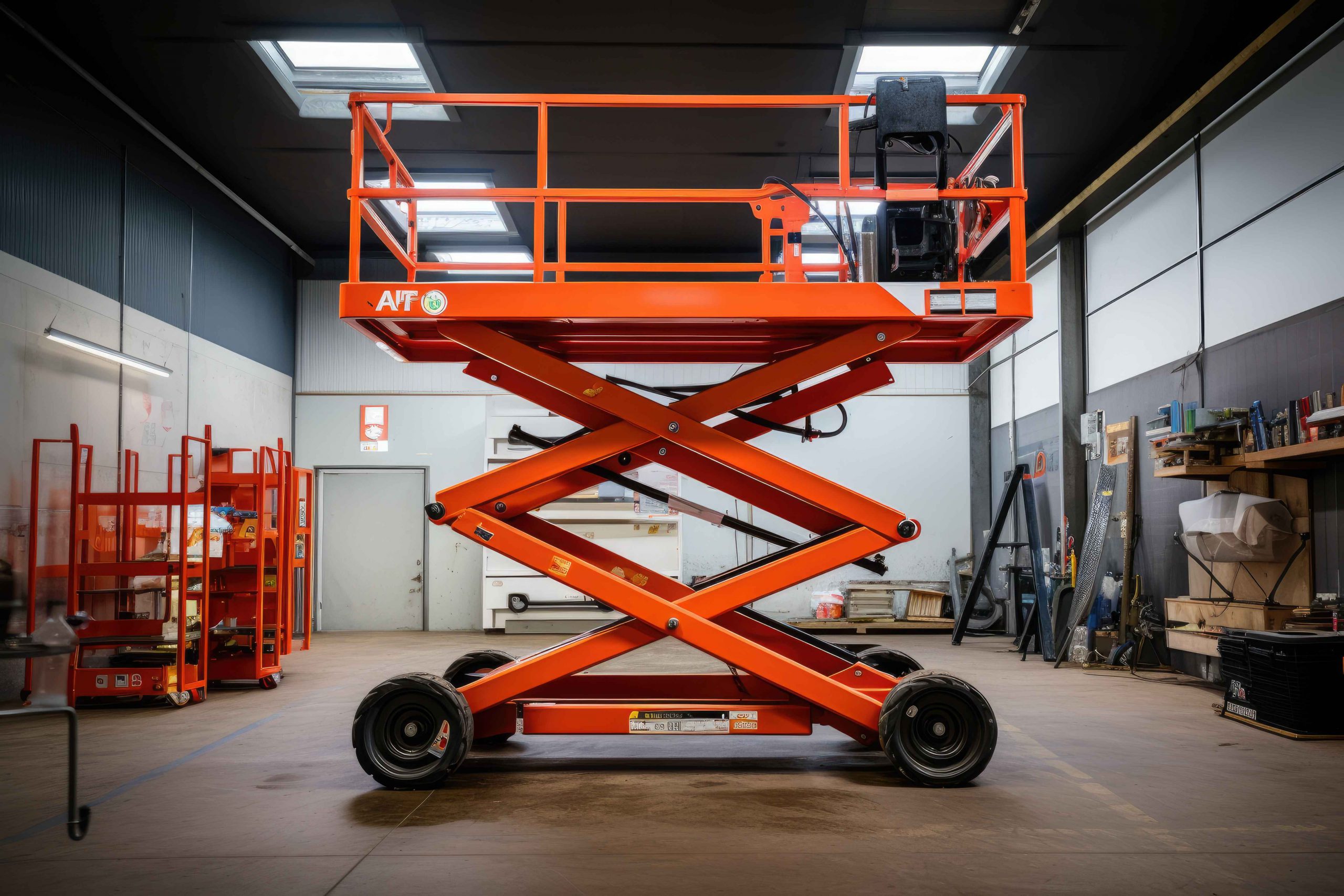
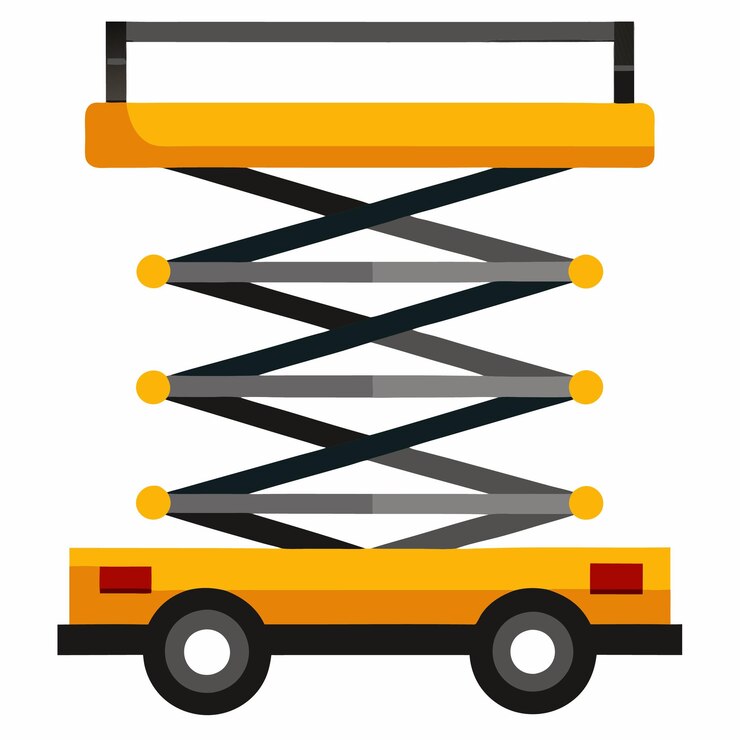
A scissor lift is a mechanical lifting platform that uses interconnected metal supports arranged in a crossed pattern. These supporting arms expand and contract to move the platform vertically.
The lifting mechanism resembles the opening and closing movement of scissors, which is how this equipment gets its name.
Most industrial scissor lifts use hydraulic power to generate the force required to raise and lower the platform. When hydraulic pressure is applied, the cylinder moves the supporting mechanism, allowing the platform to reach the required working height.
A typical hydraulic scissor lift consists of:
- Platform: The upper surface used for supporting goods, machinery or other intended loads.
- Scissor arms: Interconnected structural supports that control vertical movement.
- Hydraulic cylinder: Generates the force needed to raise the lifting platform.
- Hydraulic pump: Supplies pressurised fluid to the lifting system.
- Control system: Allows operators to control lifting and lowering movements.
- Base frame: Provides structural support for the lifting assembly.
These components work together to provide controlled lifting movement for different industrial applications.
Businesses looking for an experienced scissor lift supplier should understand how these systems operate before selecting equipment. The appropriate design depends on the intended load, lifting height, platform dimensions and installation environment.
Different Types of Scissor Lifts for Industrial Applications
Scissor lifts are available in different configurations to accommodate varying operational requirements. Selecting the right design depends on how the equipment will be used and the type of materials being handled.
- Single-Stage Scissor Lifts: Single-stage scissor lifts use one set of interconnected supporting arms to raise and lower the platform. They are suitable for applications requiring straightforward vertical lifting.
These systems can be used in manufacturing facilities, workshops and production areas where materials need to be positioned at convenient working heights.
- Two-Stage Scissor Lifts: Two-stage scissor lifts incorporate additional supporting mechanisms to achieve greater lifting heights.
They are suitable for applications where the required elevation exceeds the range of a conventional single-stage arrangement.
- Multiple-Stage Scissor Lifts: Multiple-stage lifting systems use several interconnected sections to provide increased vertical movement.
These configurations can be considered for specialised industrial applications involving particular platform heights and load requirements.
- Hydraulic Scissor Table Lifts: Hydraulic scissor table lifts are commonly used for positioning heavy materials, machinery and products at different working heights.
They are suitable for manufacturing, assembly, material handling and warehouse operations.
- Portable Scissor Lifts: Portable lifting units are designed for applications that require flexibility and convenient movement between working areas.
Depending on the model, they may feature manual foot-pump operation or powered lifting arrangements.
When comparing options from different scissor lifts supplier companies, businesses should evaluate the lifting mechanism, equipment specifications and suitability for their intended applications.
Why Businesses Need a Reliable Scissor Lift Supplier in Singapore
Singapore has a wide range of industrial and commercial facilities where efficient material handling is an important operational requirement.
Warehouses regularly handle bulky products, manufacturing facilities move heavy components, and commercial buildings require equipment for transporting maintenance materials.
A dependable scissor lift supplier singapore can help businesses identify lifting equipment that meets their specific operational needs.
Rather than selecting machinery based only on its lifting capacity, companies should consider the entire working environment.
For example, a manufacturing facility may require a lifting table to position components during assembly. A warehouse may need a larger platform to handle bulky goods. A commercial property may require customised equipment to accommodate an existing building layout.
Unipac Equipment Pte Ltd offers standard scissor lift models as well as customised lifting solutions designed and manufactured according to customer specifications.
The company also provides different lifting configurations, including portable work stages, single-stage scissor lifts, two-stage models and multiple-stage systems.
Its website states that its equipment options include lifting capacities of up to 50 tons or more, depending on the application and equipment configuration.
Businesses should discuss their exact requirements with the manufacturer to determine the appropriate lifting arrangement.
Important Factors to Consider Before Selecting a Scissor Lift
Choosing suitable lifting equipment involves evaluating several technical specifications.
Load Capacity: Load capacity determines the maximum intended weight that the equipment can support.Businesses should identify the weight of the materials, machinery or products that will be placed on the platform.
It is also important to consider how the load will be distributed across the platform.
Platform Dimensions: Platform dimensions should accommodate the size and shape of the materials being handled.An appropriately sized platform helps ensure that goods can be positioned without unnecessary restrictions.
Lifting Height: Different industrial operations require different working heights.
Before selecting a model, determine the minimum and maximum elevation required for the intended application.
Installation Space: The available installation area can influence the equipment’s overall dimensions and configuration.
Businesses should measure the intended installation location and consider surrounding structures, access points and operating clearances.
Operating Environment: Indoor and outdoor applications may require different equipment specifications.Floor conditions, environmental exposure, available space and operating frequency should all be considered.
Safety Features
Industrial lifting equipment should be designed, installed and operated in accordance with applicable workplace safety requirements.
Unipac Equipment Pte Ltd states that its lifting equipment must comply with workplace safety requirements mandated by Singapore’s Ministry of Manpower (MOM), with safety certification provided for its lifts.
Discussing these technical considerations with an experienced scissor lift supplier helps businesses identify suitable equipment for their facilities.
Understanding Scissor Lift Parts and Their Functions
A scissor lift depends on multiple mechanical, hydraulic and electrical components to operate correctly.
Understanding these components is important for businesses responsible for operating and maintaining industrial lifting machinery.
Some of the main components include:
Hydraulic cylinders: These generate the force required to extend the lifting mechanism.
Hydraulic pumps: These supply pressurised hydraulic fluid to the cylinders.
Hydraulic hoses: These transport hydraulic fluid between different system components.
Control switches: These allow operators to manage the lifting and lowering functions.
Scissor arms: These provide the structural movement required to elevate the platform.
Bearings and connecting pins: These support the movement and connection of mechanical components.
Safety devices: These help manage operational risks and protect the lifting system.
When searching for reliable scissor lift parts suppliers, businesses should prioritise component compatibility and manufacturer specifications.
Not all replacement parts are interchangeable. Components may differ according to equipment design, dimensions, pressure ratings and operating requirements.
Working with knowledgeable scissor lift parts suppliers can help maintenance teams identify suitable replacement components and reduce the possibility of compatibility problems.
Regular equipment inspections are also important for identifying damaged hoses, worn mechanical connections and other signs of deterioration.
Customised Scissor Lift Solutions for Specific Business Requirements
Standard lifting equipment can accommodate many common industrial applications. However, some businesses require specialised lifting systems designed around their operational environment.
Customisation is useful when standard equipment does not meet the required platform dimensions, lifting height or installation conditions.
For example, manufacturing companies may require a lifting platform that accommodates specific machinery components. Warehouses may need larger platforms for handling bulky products, while commercial buildings may require specialised lifting arrangements that integrate with their existing structures.
Unipac provides customised scissor lift solutions designed and manufactured according to customer specifications.
When discussing a customised project with a scissor lift supplier in singapore, businesses should provide the following information:
- Maximum intended load capacity.
- Required platform dimensions.
- Minimum and maximum lifting heights.
- Installation location and available space.
- Type of materials being handled.
- Expected operating frequency.
- Required control and safety arrangements.
Providing accurate technical information helps the manufacturer understand the application and recommend an appropriate equipment configuration.
Customised lifting systems can also be integrated with other material-handling equipment to support more efficient industrial workflows.
Applications of Scissor Lifts in Warehouses and Manufacturing Facilities
Scissor lifts are used in different industries because they provide controlled vertical movement for materials and equipment.
Warehouse Operations
Warehouses handle goods of different sizes and weights. Moving these materials between different working levels can become challenging without suitable lifting equipment.
Scissor table lifts can help position products at convenient heights for handling, packing and other warehouse activities.
They can also be incorporated into specialised material-transfer arrangements.
Manufacturing and Production Facilities
Manufacturing operations regularly involve the movement of machinery components, raw materials and finished products.
Hydraulic lifting platforms help position materials at suitable working heights for production and assembly activities.
Commercial Buildings
Commercial properties may require lifting equipment for transporting heavy maintenance materials, machinery and other equipment.
Customised lifting arrangements can be considered where building dimensions and operating requirements differ from standard applications.
Maintenance and Industrial Work Areas
Selected scissor lift configurations can support elevated work platforms and equipment positioning.
The appropriate model depends on the task, working environment and relevant safety requirements.
These applications demonstrate the importance of selecting suitable lifting machinery from experienced scissor lifts supplier companies.
Maintenance and After-Sales Support for Scissor Lifts
Regular maintenance is important for keeping industrial lifting equipment in suitable operating condition.
Hydraulic systems, mechanical structures and electrical controls should be inspected according to the manufacturer’s recommendations.
Some important maintenance practices include:
- Inspect hydraulic hoses, fittings and cylinders for visible leaks.
- Examine scissor arms and structural supports for damage or deformation.
- Check electrical connections and operating controls.
- Follow the manufacturer’s hydraulic fluid requirements.
- Monitor platform movement for unusual sounds or irregular operation.
- Arrange qualified servicing when equipment faults are identified.
- Maintain records of inspections and maintenance activities.
Businesses searching for scissor lift parts suppliers should also consider access to technically compatible replacement components and appropriate servicing support.
Unipac currently provides after-sales service for approximately 200 installations in Singapore. This support helps businesses maintain their installed lifting equipment and ensure that it continues to function as designed.
Unipac: Industrial Scissor Lift Manufacturing and Lifting Solutions
Unipac Equipment Pte Ltd has more than 20 years of experience in manufacturing scissor lifts and industrial material-handling equipment.
The company offers standard and customised lifting solutions for businesses operating in different industrial and commercial environments.
Its equipment range includes:
- Scissor table lifts.
- Hydraulic platform lifts.
- Goods lifts.
- Garbage bin lifts.
- Cargo lifts.
- Mobile platform lifts.
- Hydraulic stackers.
- Order pickers.
- Industrial cranes and hoists.
One notable project featured on the company’s website involves a scissor lift tested before installation at Jewel Changi Airport.
The lifting equipment was intended to transfer heavy maintenance equipment, forklifts, vehicle exhibits and other materials to the fifth floor of the building. The company states that the lift underwent testing at 25% overload capacity before installation.
This project demonstrates the application of customised lifting equipment in demanding commercial environments.
Businesses looking for a dependable scissor lift supplier singapore can explore Unipac’s product range to understand the available equipment configurations and discuss their technical requirements.
The company also offers related material-handling equipment, making it possible for businesses to explore different lifting and storage solutions.
Conclusion
Scissor lifts play an important role in modern industrial material handling. They help businesses position heavy materials, machinery and products at different working heights while supporting organised warehouse, manufacturing and commercial operations.
Selecting suitable equipment requires careful consideration of load capacity, platform dimensions, lifting height, installation conditions, hydraulic components and workplace safety requirements.
Businesses should also consider customised equipment options, maintenance arrangements and access to compatible replacement parts when evaluating industrial lifting solutions.
Unipac Equipment Pte Ltd brings more than 20 years of manufacturing experience and offers standard and customised scissor lifts for different applications in Singapore.
If you are searching for an experienced scissor lift supplier in singapore, explore Unipac’s range of hydraulic lifting platforms and scissor table lifts.
Contact Unipac Equipment Pte Ltd to learn more about the available equipment and discuss your industrial lifting requirements.