Choosing the Right Gantry Crane Singapore for Your Business
 By unipac 0 Comments
Heavy materials and equipment need to be moved carefully and efficiently across manufacturing facilities, warehouses, construction sites, workshops, marine facilities, and other industrial environments. Choosing suitable lifting equipment can help businesses handle these tasks in a more controlled and organized way. A Gantry Crane Singapore solution can provide practical lifting and positioning capabilities where heavy loads need to be moved across a defined working area.
Gantry cranes are available in different configurations to suit various applications. Some are designed for permanent installation, while others can be moved or folded when required. The appropriate configuration depends on factors such as load capacity, lifting height, workspace, operating frequency, and the type of materials being handled.
For businesses planning to install or upgrade lifting equipment, understanding how a gantry crane works and which configuration suits the application can make the selection process easier. Experienced gantry crane manufacturers and suppliers can also help businesses assess their requirements and identify a suitable lifting system.
What Is a Gantry Crane?
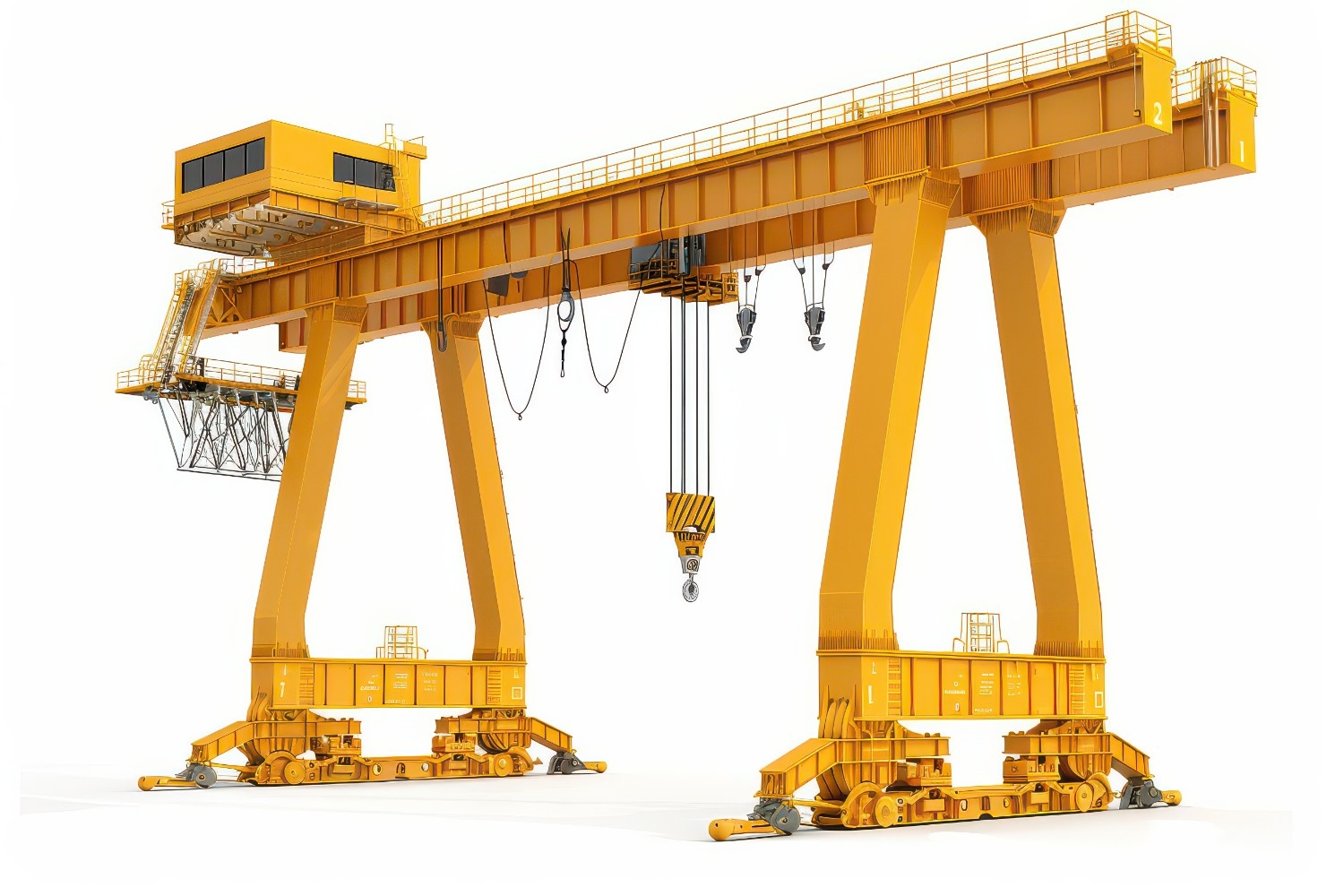
A gantry crane is a lifting system that generally consists of a horizontal beam supported by two vertical legs. A hoist and trolley are mounted on the beam, allowing loads to be raised, lowered, and moved horizontally.
Unlike some overhead lifting systems that depend on a building’s supporting structure, a gantry crane has its own supporting legs. Depending on the design, these legs may travel along rails or be fitted with wheels or other movement mechanisms.
The basic design makes a gantry crane useful for lifting machinery, equipment, fabricated components, construction materials, containers, and other heavy loads. The crane can be designed for a particular working area, lifting capacity, and operating environment.
A gantry crane Singapore system can therefore be considered for applications ranging from smaller workshop lifting tasks to demanding industrial material-handling operations.
How Does a Gantry Crane Work?
A gantry crane operates through a combination of lifting and horizontal movement. The hoist raises or lowers the load, while the trolley moves along the horizontal beam. Depending on the crane configuration, the entire structure can also travel along a designated path.
Before lifting begins, the load needs to be properly attached using suitable lifting accessories. The operator then controls the hoist and trolley to move the load to the required position. Smooth and controlled movements are important, particularly when handling heavy, oversized, or sensitive equipment.
The crane’s capacity, span, lifting height, and travel mechanism should be selected according to the intended application. A crane designed for a workshop may have very different specifications from equipment intended for a large industrial or container-handling facility.
Types of Gantry Cranes
Gantry cranes can be manufactured in several configurations. Understanding the differences can help businesses identify the most suitable option for their workspace.
Portable Gantry Crane
A portable gantry crane is designed for applications where flexibility and mobility are important. Compared with permanent crane installations, portable systems can generally be repositioned within an appropriate working area.
A portable gantry crane Singapore solution may be useful in workshops, maintenance facilities, assembly areas, and service environments where lifting requirements can vary between workstations.
Portable designs are particularly useful when a business does not need a permanent lifting system covering the entire facility. Depending on the design, some units can also be dismantled or stored when they are not required.
Fixed Gantry Crane
A fixed gantry crane is installed in a designated operating area and is intended for repeated lifting operations within that space. This configuration can be suitable for manufacturing facilities, workshops, fabrication areas, loading zones, and other locations where heavy materials are regularly handled in one particular area.
Because the crane remains in its designated location, the system can be planned around the specific dimensions and workflow of the facility.
Semi Gantry Crane
A semi gantry crane combines features of a gantry crane with an overhead crane arrangement. One side of the crane is generally supported by a floor-level structure or rail, while the other side operates along an elevated runway or existing supporting structure.
This configuration can be useful where a facility already has suitable structural support on one side. It can also help businesses make efficient use of available floor and overhead space.
Hydraulic Gantry Crane
A hydraulic gantry crane uses hydraulic lifting systems to raise and position heavy loads. These systems can be suitable for specialized heavy lifting applications where controlled vertical movement and substantial lifting capability are required.
Hydraulic gantry systems are often selected based on the characteristics of the load, lifting height, available workspace, and required positioning accuracy. Proper planning is particularly important when the equipment will be used for demanding heavy-load operations.
Folding Gantry Crane
A folding gantry crane is designed with storage and handling flexibility in mind. Its folding configuration can be useful for facilities where permanent crane installation is impractical or where the equipment needs to be stored between lifting operations.
This type of equipment can be considered for workshops, maintenance areas, equipment servicing, and other applications with limited available floor space.
Applications of Gantry Cranes in Singapore
A gantry crane can support many different material-handling requirements. Singapore’s industrial, manufacturing, logistics, construction, marine, and engineering sectors can all have applications where controlled heavy-load lifting is required.
An industrial gantry crane can be used for moving machinery, components, fabricated parts, tools, and other heavy materials around a production or engineering environment.
Common applications include:
- Manufacturing and fabrication facilities
- Industrial workshops
- Warehouses and distribution areas
- Construction and engineering sites
- Marine and shipyard operations
- Machinery maintenance areas
- Equipment assembly facilities
- Loading and unloading areas
- Storage yards
- Heavy component handling
The crane configuration should be selected according to the environment. For example, a workshop with changing lifting requirements may benefit from a portable system, while a production facility with a dedicated lifting zone may require a fixed arrangement.
Container Gantry Crane for Heavy Container Handling
A container gantry crane is designed for lifting and positioning shipping containers and other large loads. Container handling requires equipment with suitable structural strength, lifting capacity, stability, and controlled movement.
Such systems may be used in ports, logistics facilities, container yards, and other locations where large containers need to be transferred between vehicles, storage areas, and handling zones.
The design requirements for a container gantry crane can vary depending on container dimensions, load weight, lifting height, travel distance, operating frequency, and site layout. These factors should be assessed before selecting the equipment.
For specialized container-handling applications, businesses can consult experienced gantry crane suppliers Singapore to determine the appropriate configuration and supporting equipment.
Warehouse Gantry Crane Applications
Warehouses frequently handle machinery, pallets, fabricated components, equipment, and other materials that may be difficult to move manually. A warehouse gantry crane can provide a dedicated lifting solution for areas where heavy materials need to be raised and positioned.
A suitable system can be designed around the warehouse’s available floor area, ceiling height, load requirements, and movement paths. Portable systems may be useful where lifting is required at different workstations, while fixed systems can be considered for dedicated loading or handling zones.
Planning a gantry crane installation for your facility? Contact with UNIPAC EQUIPMENT PTE LTD to discuss your site layout, access requirements, floor conditions, and lifting needs. Our team can help you identify a suitable gantry crane solution for your application.
Gantry Crane vs Overhead Crane
Gantry cranes and overhead cranes both provide lifting and horizontal load movement, but their supporting arrangements are different.
A traditional overhead crane generally operates along elevated runways that are integrated into a building or supporting structure. A gantry crane, on the other hand, uses supporting legs that carry the main beam.
The term overhead gantry crane is sometimes used to describe gantry-style systems where the hoist operates above the working area. However, businesses should look at the actual structural configuration and movement system rather than relying only on terminology.
The choice between an overhead crane and a gantry system depends on the building structure, available space, lifting requirements, headroom, load characteristics, and intended workflow.
How to Select the Right Gantry Crane
Selecting the correct crane requires consideration of both the load and the environment in which the equipment will operate. A crane should not be selected based solely on maximum lifting capacity.
Important factors include:
- Maximum load weight
- Lifting height
- Required crane span
- Load dimensions
- Indoor or outdoor operation
- Available floor space
- Travel distance
- Frequency of use
- Floor conditions
- Power requirements
- Control system
- Maintenance requirements
Businesses looking to buy gantry crane equipment should also consider how the crane will fit into existing workflows. The available working area should allow the equipment to operate without creating unnecessary obstructions.
It is also important to consider future requirements. If the business expects changes in production, storage, or material-handling needs, selecting a system with suitable flexibility may be beneficial.
Gantry Crane Installation and Commissioning
Professional gantry crane installation is an important part of preparing lifting equipment for regular operation. Installation involves more than assembling the crane components. The site, supporting surface, travel path, electrical systems, lifting equipment, and operating conditions all need to be considered.
The installation process may include:
- Assessing the proposed installation area
- Confirming the required crane configuration
- Preparing the supporting and travel surfaces
- Assembling the structural components
- Installing the hoist and trolley
- Connecting the relevant controls and systems
- Checking alignment and movement
- Conducting appropriate testing and commissioning
The exact process varies according to the crane design and site requirements. Once installation is complete, operators should be familiar with the equipment’s controls, rated capacity, operating limitations, and safety procedures.
Gantry Crane Safety and Maintenance
Gantry crane safety should be considered throughout the equipment’s service life. Safe operation depends not only on the crane itself but also on correct load handling, regular inspections, proper maintenance, and operator awareness.
Before operation, relevant components should be checked for visible damage, excessive wear, or other issues. The lifting accessories should also be appropriate for the load and in suitable condition.
Good operating practices include:
- Never exceeding the crane’s rated lifting capacity
- Ensuring loads are properly secured
- Keeping people away from suspended loads
- Maintaining a clear travel path
- Avoiding sudden or uncontrolled crane movements
- Inspecting hooks, chains, wire ropes, and lifting accessories
- Following manufacturer operating instructions
- Reporting equipment faults promptly
- Completing required inspections and maintenance
Regular maintenance can help identify worn or damaged components before they interfere with normal operation. Maintenance schedules should be developed according to the crane type, operating conditions, usage frequency, and manufacturer’s recommendations.
When Gantry Crane Rental May Be Suitable
Some lifting requirements are temporary. Construction projects, machinery installation, facility maintenance, shutdown work, and short-term industrial projects may only require lifting equipment for a specific period.
In such situations, gantry crane rental may be considered where an appropriate system is available for the application. Before arranging rental equipment, businesses should establish the required lifting capacity, working height, operating area, load characteristics, and duration of use.
Temporary equipment should be treated with the same level of care as permanently installed lifting systems. The crane must be suitable for the application, properly positioned, inspected, and operated according to applicable procedures.
For businesses with ongoing lifting requirements, purchasing a suitable system may provide a more appropriate long-term solution.
Working with Gantry Crane Manufacturers and Suppliers
Choosing suitable gantry crane manufacturers and suppliers is an important part of developing a reliable lifting solution. A supplier should understand the application and be able to recommend equipment based on actual site and operational requirements.
When evaluating gantry crane suppliers, businesses should consider factors such as:
- Crane design and manufacturing capabilities
- Range of available lifting equipment
- Customization options
- Installation capabilities
- Testing and commissioning support
- Maintenance and servicing
- Availability of replacement components
- Understanding of industrial lifting requirements
For businesses searching for gantry crane suppliers Singapore, working with an experienced local provider can make communication, installation planning, servicing, and ongoing support more straightforward.
It provides lifting equipment and crane solutions for industrial and commercial applications. Its range includes gantry cranes as well as overhead travelling cranes, mobile cranes, bridge cranes, floor cranes, and jib cranes.
Choosing a Gantry Crane Singapore Provider
Selecting the right Gantry Crane Singapore solution involves considering the equipment, workplace, loads, operating conditions, installation requirements, and long-term maintenance needs together.
Businesses should work with experienced gantry crane suppliers Singapore when they need assistance with equipment selection, installation, servicing, or customized lifting requirements. A properly specified crane can help create a more organized approach to heavy material handling while supporting day-to-day operational requirements.
UNIPAC EQUIPMENT PTE LTD offers crane and lifting equipment solutions for a range of industrial applications. Businesses can discuss their lifting requirements with the company to determine an appropriate crane configuration for their facility.
Whether the requirement involves a portable gantry crane Singapore system for flexible workshop operations, a fixed gantry crane for a dedicated lifting area, a container gantry crane for large-scale handling, or another specialized configuration, the equipment should be selected around the specific requirements of the application.
With appropriate planning, professional gantry crane installation, regular maintenance, and responsible operation, a gantry crane can provide a practical and dependable solution for lifting and positioning heavy materials across a wide range of workplaces.