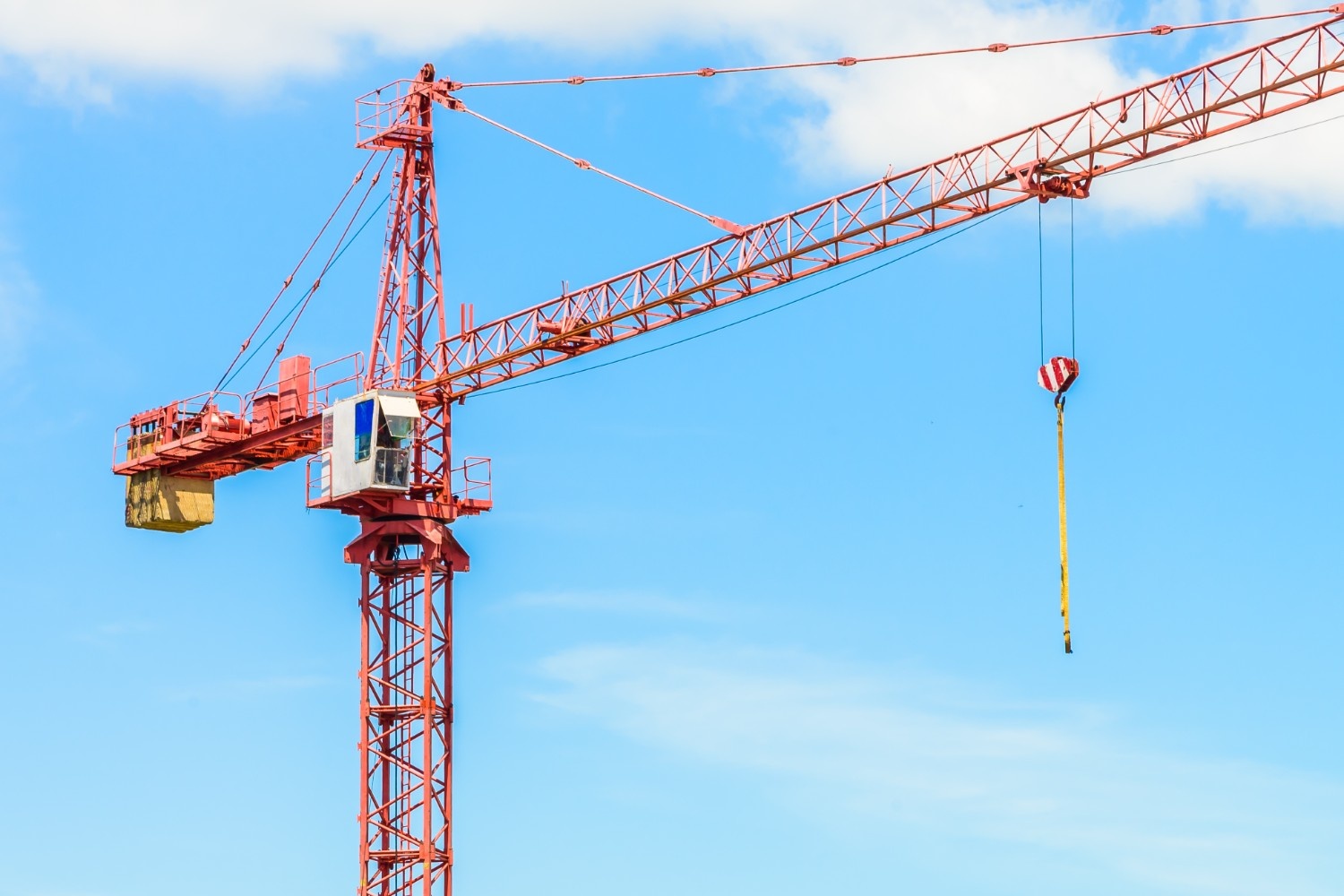
Jib Cranes Singapore for Efficient Industrial Material Handling
 By unipac 0 Comments
Moving heavy components around a factory, warehouse, or workshop can be challenging when lifting is part of everyday operations. From transferring machine parts to positioning materials on assembly benches, businesses need equipment that makes these tasks easier to manage. A jib crane offers a practical solution for lifting and moving loads within a defined working area.
For businesses looking for Jib Cranes Singapore, selecting the right equipment involves understanding the load requirements, available space, and movements needed during daily operations. A suitable crane can help streamline material handling, reduce manual lifting, and support a more organised workspace.
Unipac Equipment Pvt Ltd designs and manufactures industrial lifting equipment, including jib cranes, overhead travelling cranes, gantry cranes, bridge cranes, and other material handling systems. Understanding how jib cranes work and which configurations are available can help businesses identify equipment that suits their facilities.
What Is a Jib Crane and How Does It Work?
It is a lifting system that uses a horizontal arm, known as a jib or boom, to support a hoist. The hoist raises and lowers the load, while the arm allows the operator to move it within a designated area. Depending on the design, the arm can rotate around a vertical support to provide access to different lifting positions.
A typical jib crane consists of a supporting column or mounting structure, a horizontal arm, a hoist, and operating controls. Some systems also include a trolley that allows the hoist to travel along the arm, providing additional flexibility when moving materials.
For example, a manufacturing workshop may use a jib crane to lift a machine component from a workbench and position it beside production equipment. In a maintenance area, the same arrangement could help workers handle heavy parts during repair or replacement.
Unlike an overhead travelling crane, which can cover a larger area along an overhead runway, a jib crane generally serves an individual workstation or a specific section of a facility. This makes it useful when lifting tasks take place repeatedly within a relatively small area.
Businesses exploring Jib Cranes Singapore should consider the distance materials need to travel, the height they must be lifted, and the clearance available around the equipment before selecting a suitable arrangement.
Benefits of Using Jib Cranes in Industrial Facilities
Jib cranes can make routine lifting tasks easier to manage, particularly when workers handle heavy components throughout the day. Their compact configuration allows businesses to provide lifting support where it is needed without necessarily installing a larger crane system across the entire facility.
Easier Handling of Heavy Materials
Moving heavy components manually can be physically demanding, especially when the same task is repeated throughout a shift. A properly selected jib crane provides mechanical lifting assistance, allowing operators to raise and position suitable loads with greater control.
In manufacturing environments, this may involve handling machine parts, metal components, tools, or equipment assemblies. In maintenance workshops, a crane can assist with positioning components during servicing and repair work.
Having lifting equipment close to the workstation can also reduce unnecessary movement between handling areas.
Better Use of Available Space
Factories and warehouses need to accommodate machinery, storage racks, workbenches, and pedestrian routes. A jib crane can provide lifting support within a designated area while helping preserve usable floor space.
Wall-mounted models may be suitable where an appropriate structural wall or column is available. Floor-mounted arrangements provide another option when a dedicated lifting point is required.
The crane’s position should be planned around the surrounding layout so that its arm can move without interfering with other equipment or routine workplace activities.
Smoother Material Handling Processes
When lifting equipment is positioned close to the point of use, workers can transfer components between designated locations more conveniently. This can help reduce unnecessary handling and keep repetitive tasks moving.
For instance, an assembly station may benefit from a crane that can lift components from a nearby storage position and place them on a workbench. The arrangement should match the actual workflow rather than forcing workers to adapt their process around the equipment.
Support for Safer Working Practices
A jib crane can reduce the physical effort involved in lifting suitable loads manually. However, safe operation depends on correct equipment selection, installation, training, and maintenance.
Operators should understand the crane’s rated capacity, secure loads correctly, and keep people clear of suspended loads. The equipment must be used according to the manufacturer’s instructions and applicable workplace safety requirements.
Understanding the Different Jib Crane Types
The available jib crane types differ mainly in how they are supported, where they are installed, and how much movement they provide. Understanding these differences helps businesses identify an arrangement that fits their working environment.
Floor-Mounted Jib Cranes
Floor-mounted jib cranes use a vertical column attached to a suitable foundation. The column supports the horizontal arm, which can rotate within the limits of its design.
These cranes are commonly considered for manufacturing facilities, engineering workshops, and maintenance areas where lifting tasks take place around a dedicated workstation.
Before installation, the foundation must be assessed to ensure it can support the crane and the forces generated during operation. Sufficient clearance must also be available for the arm to rotate and for workers to handle loads safely.
Wall-Mounted Jib Cranes
Wall-mounted jib cranes attach to a suitable structural wall or column. Because they do not require a separate floor-mounted support column, they can help preserve floor space.
They are useful when lifting tasks take place beside a suitable structural support. The arm extends over the designated work area, allowing materials to be raised and positioned near machinery or workbenches.
The supporting structure must be capable of handling the expected loads and operating forces. A wall-mounted crane should only be installed after the relevant structural requirements have been assessed.
Fixed Jib Crane Systems
A fixed jib crane is installed in a permanent position to serve a particular lifting area. Although its supporting structure remains stationary, the arm may rotate to provide access to different positions.
This configuration can suit production lines, assembly stations, and workshops where lifting requirements remain relatively consistent. For example, a fixed crane may help transfer components between a machine and a nearby workbench.
When choosing a fixed jib crane, it is important to consider where the load needs to be picked up and placed, how high it must be lifted, and how much space is available for safe movement. Unipac Equipment Pvt Ltd can help businesses assess these requirements and identify a suitable lifting solution.
Selecting the Right Configuration
The most suitable configuration depends on the work being performed and the conditions at the installation site. A floor-mounted crane may be appropriate when a dedicated support column can be installed, while a wall-mounted model may suit a workstation beside an adequate structural support.
Businesses should also consider the required working radius, rotation range, lifting capacity, and frequency of use. Comparing these requirements before choosing a system helps ensure that the equipment supports the intended tasks.
Important Factors in Jib Crane Design
Effective jib crane design begins with understanding how the equipment will be used. Load characteristics, working space, lifting height, and structural support all influence the final configuration.
Load Capacity
The crane must be rated for the loads it is expected to handle. Businesses should identify the heaviest items to be lifted and account for any lifting attachments used with the hoist.
The size and shape of the load also matter. Large or awkwardly shaped components may require additional clearance or a different lifting arrangement to maintain control during movement.
Operators must never exceed the crane’s rated capacity and should follow the manufacturer’s operating instructions.
Arm Length and Working Radius
The arm length determines how far the crane can reach from its supporting structure. The working radius should allow the operator to access the required lifting and placement points without unnecessary manoeuvring.
A longer arm is not automatically the best option. Its reach must be balanced against the structural requirements and available workspace. Taking accurate measurements before specifying the equipment helps avoid problems after installation.
Lifting Height and Headroom
Available headroom affects how high a load can be raised and moved. Businesses should consider ceiling height, overhead services, nearby machinery, and the dimensions of the materials being handled.
The hoist’s lifting range and hook position must also suit the task. Planning these details helps ensure that the crane can lift and position materials without unnecessary restrictions.
Rotation and Hoist Movement
Some jib cranes allow the arm to rotate through a broad arc, while others have a more restricted range. The appropriate arrangement depends on the positions between which materials need to be transferred.
Where a trolley is included, movement along the arm can provide additional flexibility. The overall design should allow the crane to reach the intended working positions without interfering with walkways or nearby machinery.
Structural Support and Installation
The support column, foundation, wall, or building structure must be suitable for the loads and forces involved. Installation planning should also account for the surrounding layout and the space needed for safe operation.
For businesses considering Jib Cranes Singapore, providing accurate site measurements and details about the intended application can help establish the most suitable equipment specifications.
Industrial Applications of Jib Cranes
Jib cranes are used in a variety of industrial environments where lifting requirements are concentrated around a workstation or specific operating area.
Manufacturing and Production
Manufacturing facilities often move machine components, raw materials, tools, and finished parts between nearby workstations. A jib crane can provide lifting assistance when these items need to be positioned on machinery or assembly benches.
It can be particularly useful when workers repeat the same lifting task throughout the production process and need reliable access to lifting equipment.
Warehouses and Distribution Centres
Warehouses handle materials of different sizes and weights. In suitable locations, a jib crane can assist with lifting heavy items within designated handling or maintenance areas.
Its position should be planned around storage racks, loading zones, pedestrian routes, and other equipment. This helps maintain an organized workspace without disrupting routine warehouse activities.
Engineering and Maintenance Workshops
Maintenance work often involves removing, inspecting, repairing, and reinstalling heavy components. A jib crane can help workers lift suitable parts and position them for servicing.
For example, it may assist with transferring a component from a machine to a workbench. The crane’s capacity, reach, and mounting arrangement must be suitable for the equipment being handled.
Assembly and Fabrication Areas
Assembly tasks sometimes require components to be positioned accurately before they can be fitted together. A jib crane can help workers move suitable materials into place without relying entirely on manual lifting.
In fabrication areas, it may also support the handling of metal components and assemblies. The equipment should be selected according to the materials’ dimensions, weight, and required movement.
Jib Cranes Compared With Other Lifting Equipment
Jib cranes are one of several options available for industrial material handling. Overhead travelling cranes, gantry cranes, and mobile cranes serve different purposes, so the right choice depends on how materials move through the facility.
An overhead travelling crane is generally suitable for moving loads across a larger area along an overhead runway. It may be appropriate when materials need to travel between multiple workstations across a production floor.
A gantry crane uses a supporting frame that spans a work area. Depending on its design, it may suit applications where a self-supporting structure is preferred.
Mobile cranes provide flexibility for certain lifting tasks that take place in changing locations. Their suitability depends on the operating environment, load requirements, and available space.
A jib crane is often a practical choice when lifting tasks are concentrated within a defined area. Its localised reach can make it suitable for workstations where materials need to be raised and moved over relatively short distances.
When comparing equipment, businesses should consider the required travel distance, load capacity, installation conditions, working height, and frequency of use. This helps ensure that the selected system fits the wider material handling process.
Choosing Suitable Jib Crane Manufacturers
When comparing jib crane manufacturers, businesses should look beyond the appearance of the equipment and focus on whether the proposed system meets their operational requirements.
Start by identifying the loads to be lifted, the required working radius, available headroom, and the type of structural support at the installation site. These details help establish the specifications the crane must meet.
It is also useful to discuss installation, commissioning, inspection requirements, maintenance, and operator training. Clear technical documentation helps businesses understand the crane’s operating limits and the conditions under which it should be used.
For companies seeking a jib crane Singapore solution, the installation environment and applicable local safety requirements should be considered from the beginning. The equipment must suit the facility and comply with relevant workplace safety requirements.
Unipac Equipment Pvt Ltd designs and manufactures different types of industrial lifting equipment, including jib cranes and other crane systems. Businesses can discuss their application and site conditions with the team to explore suitable lifting arrangements.
Safe Operation and Maintenance
Correct installation is only one part of maintaining a reliable lifting system. Regular inspections, suitable maintenance, and operator training are equally important.
Before using a crane, operators should check for visible damage, unusual wear, or other issues that could affect safe operation. Hooks, hoists, controls, and relevant moving components should be inspected according to the manufacturer’s instructions and established maintenance procedures.
Loads must be properly secured and kept within the rated capacity. Operators should avoid sudden movements, keep people clear of the load’s path, and never allow anyone to stand beneath a suspended load.
Maintenance should be carried out by appropriately qualified personnel. Inspection schedules and records should follow the manufacturer’s recommendations and applicable Singapore requirements. Any required statutory examination or certification should be completed by the appropriate authorised parties.
Unipac also identifies after-sales servicing and periodic load testing as part of its lifting equipment support. Businesses should confirm the specific inspection and servicing requirements applicable to their equipment and installation.
Understanding Jib Crane Images and Specifications
When researching lifting equipment online, jib crane images can help businesses understand the general appearance of different configurations. Photographs may show a floor-mounted column, a wall-mounted arm, or a hoist positioned above a workstation.
However, images alone cannot establish whether a particular crane is suitable for an application. Two cranes that look similar may differ in lifting capacity, arm length, rotation, lifting height, and mounting requirements.
Technical specifications should always be reviewed alongside visual references. These details provide a more reliable basis for comparing equipment and planning an installation.
Businesses should also check that the crane’s working range matches their actual lifting tasks. A configuration that looks suitable in a photograph may not provide the reach or clearance needed at the intended site.
Finding the Right Jib Crane Solution in Singapore
Choosing the right crane starts with understanding the loads that need to be handled, the space available, and the movement required between lifting points. A suitable jib crane can provide practical lifting support at individual workstations and help businesses manage routine material handling tasks more effectively.
For companies exploring Jib Cranes Singapore, reviewing the different configurations, working radius, lifting height, and structural requirements is an important step towards selecting suitable equipment.
If you are looking for reliable lifting equipment for your facility, Contact Unipac Equipment Pvt Ltd to discuss your material handling requirements and find a suitable crane solution for your operations.
With the right equipment, careful installation, and regular maintenance, businesses can make everyday lifting tasks easier to manage while supporting a safer and more organized workplace.