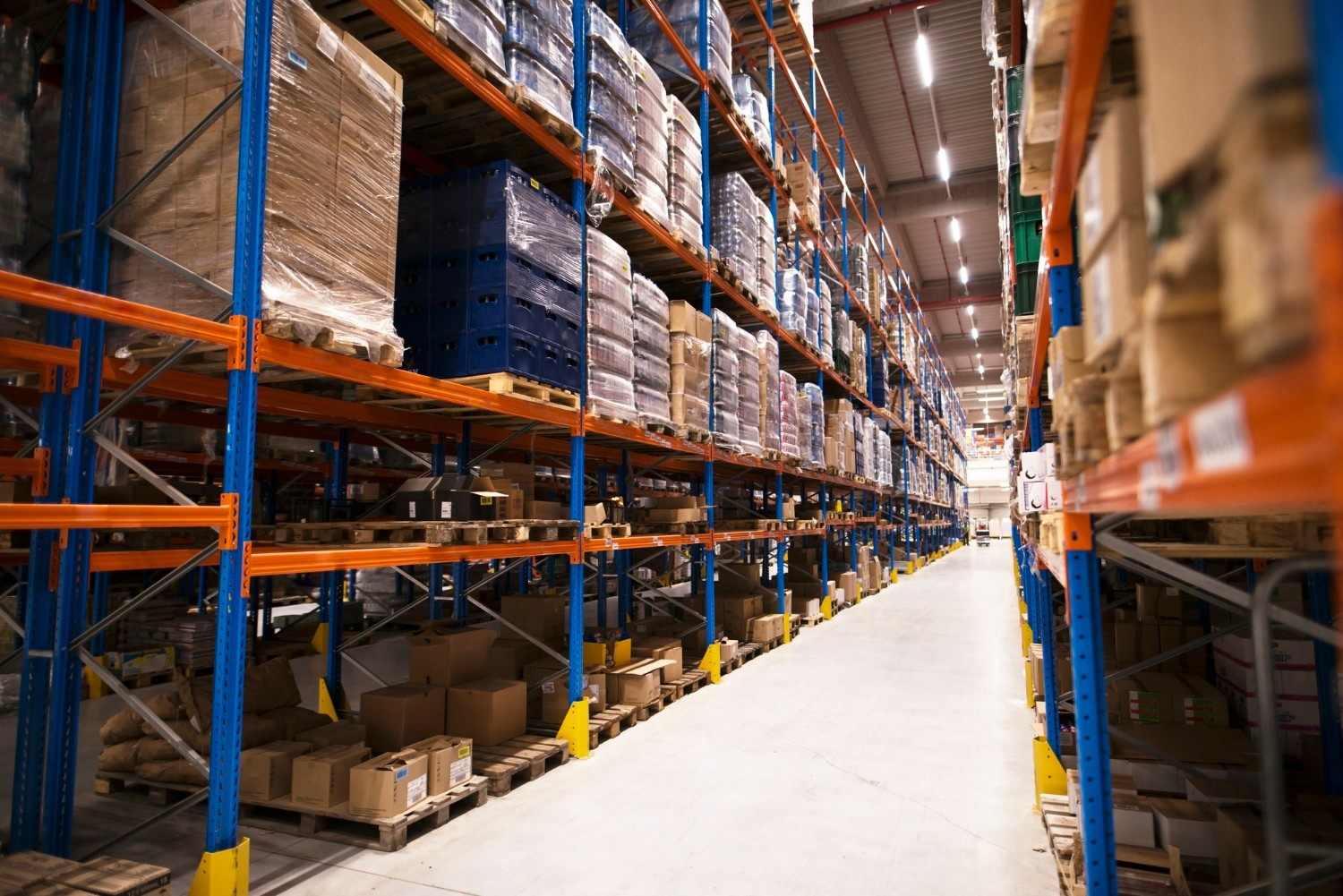
Efficient Warehouse Storage with the Right Pallet Racking Solutions in Singapore
 By unipac 0 Comments
Managing warehouse space effectively is important for businesses that handle large quantities of goods, inventory and materials. A well-planned storage arrangement helps keep products organised, makes stock easier to access and supports smoother daily operations. Choosing the right Pallet Racking in Singapore solution can also help businesses make better use of available floor space while maintaining a safe and efficient working environment.
Different warehouses have different storage requirements. Some need quick access to individual pallets, while others need high-density storage for large quantities of similar products. Factors such as warehouse size, inventory type, pallet dimensions, handling equipment and future business requirements should all be considered before selecting a suitable system.
Unipac Equipement Pvt Ltd provides storage and material-handling solutions to support businesses in organising their warehouse operations. Understanding the available pallet racking options and their applications can help businesses make informed decisions when planning or upgrading their storage facilities.
Understanding Pallet Racking for Warehouse Storage
Pallet racking is a storage structure designed to hold goods placed on pallets. It uses vertical frames and horizontal beams to create storage levels, allowing businesses to organise inventory above the floor rather than relying entirely on ground-level storage.
A suitable pallet racking system can improve warehouse organisation by creating designated locations for different products. It also helps employees identify, store and retrieve inventory more efficiently. Depending on the design, pallets can be accessed individually or stored in a high-density arrangement.
Warehouse pallet racking is commonly used in distribution centres, manufacturing facilities, logistics operations and commercial storage environments. The right arrangement depends on the volume of inventory, product movement, available space and the type of equipment used for loading and unloading.
When planning pallet racking in Singapore, businesses should consider both present storage needs and possible future changes. A flexible layout can make it easier to accommodate additional inventory or adjust storage arrangements as operations develop.
Adjustable and Heavy-Duty Pallet Racking Solutions
Warehouse inventory is not always uniform. Businesses may store products of different sizes, weights and shapes, making flexibility an important consideration when selecting storage equipment.
An adjustable pallet racking system allows storage levels to be arranged according to the height of the products being stored. This can help reduce unused vertical space and accommodate changes in inventory.
Adjustable pallet racking is useful for warehouses that handle a varied product range or experience regular changes in stock. The beam levels should be positioned according to the load requirements and the manufacturer’s design specifications.
For heavier goods, heavy duty pallet racks provide a storage structure designed for demanding warehouse applications. A heavy duty pallet racking system must be selected according to the expected loads, pallet dimensions, rack height and handling conditions.
Industrial pallet racking systems should be planned with the intended application in mind. Selecting equipment based only on appearance or available space can create problems if the structure is not suitable for the loads and daily warehouse activities.
Understanding the Main Pallet Rack Components
A pallet rack is made up of several components that work together to support stored goods. Understanding these parts helps businesses plan suitable storage arrangements and maintain their equipment properly.
Pallet rack frames: Frames form the vertical structure of the system. They typically consist of upright columns and horizontal or diagonal bracing. The frame design must suit the intended rack height, loading requirements and warehouse layout.
Pallet rack beams: Beams connect the upright frames and support the pallets. Their length, profile and load rating must be appropriate for the pallet dimensions and expected weight.
Bracing and base plates: Bracing helps maintain the stability of the rack frame, while base plates provide support at floor level. Suitable anchoring and installation are important for the overall stability of the structure.
Pallet racking support bars: Support bars can provide additional support beneath pallets where required by the rack design. Their suitability and positioning should be checked against the intended pallet type and loading arrangement.
Pallet rack guards and column guards: Protective guards help reduce the risk of damage to vulnerable rack areas from forklifts and other moving equipment. They are particularly useful around aisle ends and upright columns.
Other pallet rack accessories may include wire decking, safety panels, row spacers and load notices. The appropriate pallet rack parts and accessories depend on the system design and warehouse operating conditions.
Planning Pallet Racking Dimensions and Warehouse Layout
Choosing suitable pallet racking dimensions is an important part of warehouse planning. The rack structure must fit the available space while providing enough room for safe loading, unloading and movement.
Businesses should consider the following factors when planning a pallet rack design layout:
- Pallet dimensions: The length, width and height of the pallets determine the required beam spacing and storage position.
- Load weight: The expected weight of each pallet helps determine the suitable beams, frames and overall rack configuration.
- Ceiling height: Available vertical space influences the number of storage levels that can be planned.
- Aisle width: Aisles should provide sufficient clearance for the forklifts or other equipment used in the warehouse.
- Access requirements: Frequently handled products may need to be positioned in areas that are easier to reach.
- Future expansion: The layout should allow for possible changes in inventory volume and storage requirements.
Standard pallet rack dimensions can provide a useful starting point, but they should not be assumed to suit every warehouse. The correct pallet racking sizes depend on the products, equipment and available building space.
Unipac Equipement Pvt Ltd considers important factors such as clear walkways, convenient loading areas, emergency access and smooth movement when planning warehouse storage layouts. Keeping these areas properly organised helps reduce congestion and allows employees and handling equipment to move around the facility more safely and efficiently.
Considering Pallet Rack Weight Capacity
Load capacity is one of the most important factors when selecting a storage system. Every rack component must be suitable for the loads it is expected to support.
Pallet rack weight capacity depends on several factors, including beam specifications, upright frames, beam spacing, rack height and the overall configuration. The weight and distribution of goods on each pallet should also be considered.
Businesses should follow the load ratings and design specifications provided for the installed system. Loads should be distributed correctly, and employees should avoid placing goods beyond the stated capacity.
It is also important to ensure that pallets are in suitable condition and are compatible with the rack arrangement. Damaged pallets or unevenly distributed loads can affect storage stability.
Load notices should be displayed where they can be seen clearly by warehouse employees. These signs help communicate the permitted loading limits and remind staff to follow the approved storage arrangement.
Improving Warehouse Safety with Suitable Rack Accessories
Warehouse safety should be considered throughout the planning, installation and use of pallet racking. A well-organised storage area helps reduce unnecessary movement and supports safer handling practices.
Pallet rack guards and column guards can help protect upright frames from accidental contact with forklifts. Protective barriers may also be considered in areas where vehicles and pedestrians operate close to one another.
Pallet racking signage helps employees understand important storage information, including load limits and designated operating areas. Clear signs can support consistent warehouse procedures and reduce the risk of incorrect loading.
Regular inspections are also important. Employees should look for visible damage, loose connections, bent beams, damaged uprights and other signs that may affect the condition of the rack. Any suspected structural damage should be assessed by a qualified professional before the affected area is used again.
Good housekeeping also contributes to safer operations. Keeping aisles clear, storing goods correctly and ensuring that handling equipment is operated by trained personnel can help maintain an organised warehouse.
Choosing New or Used Pallet Racking
Businesses planning a warehouse storage upgrade may consider new or used pallet racking. The appropriate option depends on the storage requirements, condition of the equipment and compatibility with the intended warehouse layout.
New pallet racking may be suitable for businesses that require a system planned around specific storage dimensions and operational needs. It can also make it easier to select components that are designed to work together.
Used pallet racking may be considered for certain applications, but its condition and specifications must be checked carefully. Businesses should verify the component details, load ratings, compatibility and structural condition before using previously installed equipment.
Mixing different pallet rack components without confirming their compatibility can affect the performance and safety of the storage structure. Any changes to an existing system should be assessed against its original design requirements.
Customised Industrial Storage Racks for Different Applications
Different industries have different storage requirements. A distribution warehouse may need quick access to a wide range of products, while a manufacturing facility may require organised storage for raw materials, finished goods and production supplies.
Industrial storage racks can be planned according to the type of materials handled, available floor space and frequency of stock movement. Businesses may also require specialised storage arrangements for long items, bulky products or materials that cannot be stored on standard pallets.
A suitable storage solution should consider how goods enter the warehouse, where they are stored and how they are moved to the next stage of the operation. This approach helps create a practical arrangement rather than simply filling the available space with racks.
Unipac Equipement Pvt Ltd supports businesses looking for storage and material-handling solutions suited to their operational requirements. A clear understanding of the warehouse environment helps identify the type of equipment and layout that may work best.
Integrating Pallet Racking with Material-Handling Equipment
Pallet racking should be planned alongside the equipment used to move goods around the warehouse. Forklifts, pallet trucks and other material-handling equipment need sufficient space to operate safely and access the required storage positions.
The choice of racking system can influence the type of equipment needed. For example, double deep arrangements require suitable handling equipment, while drive-in systems need forklifts that can operate within the storage lanes.
Businesses should also consider aisle clearance, turning space, operating height and the movement of employees. These details help ensure that the storage system and handling equipment work together effectively.
Planning both elements at the same time can improve warehouse workflow and reduce avoidable movement during loading, unloading and stock replenishment.
Professional Pallet Rack Installation and Maintenance
Correct installation is essential for the safe use of a pallet racking system. The rack should be assembled according to its approved design and manufacturer specifications. Frames, beams, bracing and other components must be fitted correctly, with appropriate anchoring where required.
Before the system is put into operation, businesses should ensure that the installation has been checked and that the relevant load information is available to warehouse staff.
Ongoing maintenance and inspections help identify issues before they become more serious. Rack components should be checked for damage caused by impact, overloading or general warehouse activity. Any damaged parts should be assessed and replaced with compatible components where necessary.
Employees should also receive guidance on correct loading procedures, safe forklift operation and reporting rack damage. These practices help maintain the storage system and support a safer working environment.
Develop Practical Warehouse Storage Solutions with Unipac
Choosing the right pallet racking arrangement involves more than selecting shelves for storing goods. Businesses need to consider inventory requirements, available space, load capacity, handling equipment and warehouse safety before deciding on a suitable system.
Whether a facility requires selective pallet racking, double deep storage, drive-in arrangements or adjustable heavy-duty racks, careful planning can help improve storage organisation and make better use of available space.
Unipac Equipement Pvt Ltd offers storage and material-handling solutions to support businesses with their warehouse requirements. By considering the specific needs of each facility, businesses can work towards a storage arrangement that supports efficient inventory management and day-to-day operations.
Contact Unipac Equipement Pvt Ltd to discuss your warehouse storage requirements and explore suitable pallet racking solutions in Singapore.